Switching Dog Food Without Wrecking Their Stomach
You found a food you like better. You bought a bag. Your dog ate it, and two days later you were up at 2 a.m. cleaning the hallway carpet.
That outcome is almost always about pace rather than about the food. A dog's gut can handle a large change in diet. It cannot handle a large change in two days. The schedule below is the one most veterinarians recommend, along with the situations where you need to stretch it out further.
The short answer
Take ten days. Replace a quarter of the old food with the new food every three days, and watch the stool at each step before you move to the next one.
If anything goes soft, hold at the current ratio until it firms up rather than pushing forward on schedule.
What's actually happening in there
Most of the work of digestion is done by a living population of gut bacteria, and that population is specialized for the food it's been eating. Change the food and the mix has to shift: some species decline, others expand, and the arrangement that handles the new diet takes days to establish. Meanwhile the digestive enzymes your dog produces are calibrated to yesterday's food, particularly its fat content.
Dr. Joseph Wakshlag at Cornell has pointed to fat as the specific culprit. A sudden jump in fat content is what most often produces diarrhea, more than the protein source and more than the grain. Which explains why people who switch from a lean kibble straight to something richer have a harder time than people moving between two similar foods.
So the gradual schedule is doing real work. It gives a live system time to reorganize.
The ten-day schedule, step by step
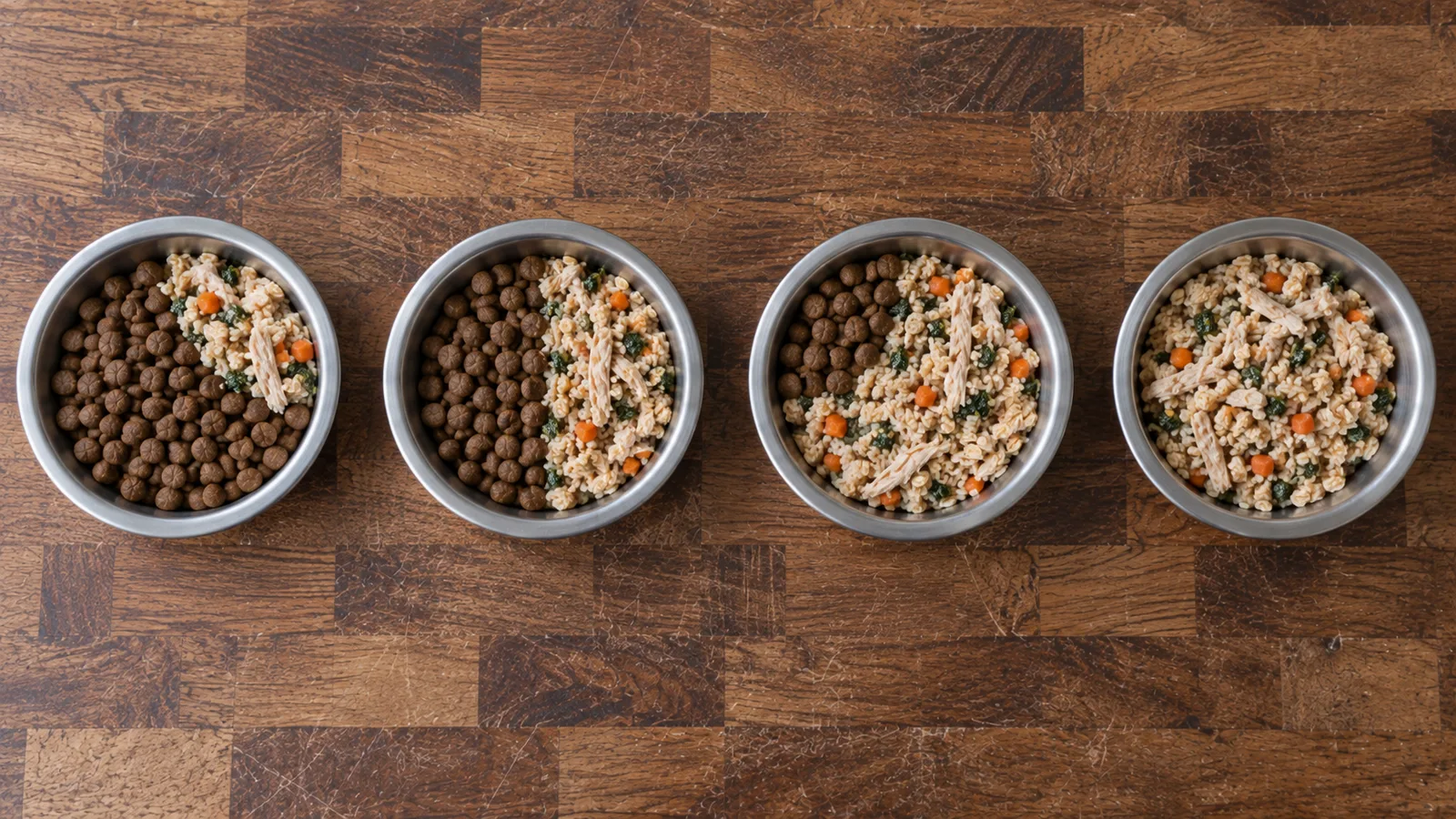
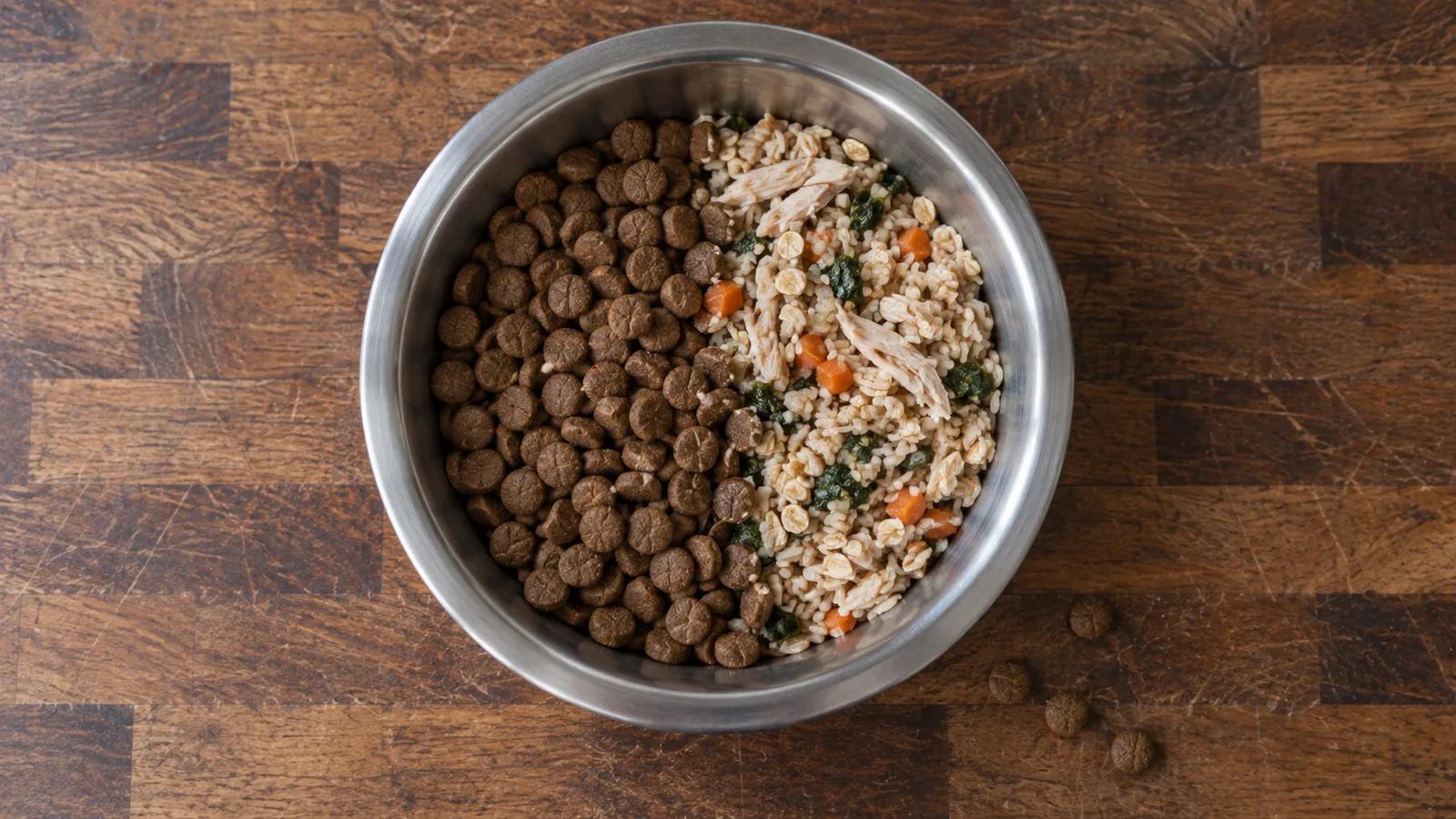
For the first three days, at 25 percent new food, mix by weight if you can. That's easier than it sounds if you're already weighing portions. Stool should stay normal, and if it doesn't, you have a dog who needs the slower version below.
Days four through six, at half and half, are where problems show up if they're going to. Half the diet is now something the gut hasn't optimized for. Stool may soften slightly and firm back up within a day, which is normal. Watery, repeated or urgent is not.
Days seven through nine, at 75 percent new, are usually uneventful. If you got that far clean, you'll finish clean.
From day ten you're at 100 percent new food. Give it another two weeks before you judge the food itself, because coat and energy take longer to respond than stool does.
Keep everything else constant while you do this. No new treats, no new chews, no table scraps. If something goes sideways you want one variable, not four.
When to stretch it further
Some dogs need fourteen days or more. Go slower if any of these apply:
- A known sensitive stomach. Change the ratio every other day instead of every day, and give yourself two full weeks.
- Puppies and seniors, who both have less margin. Puppies dehydrate quickly and seniors often have other things going on.
- A big jump in fat or moisture. Moving from dry kibble to fresh food is a larger change than moving between two dry foods, because fat, moisture and density all shift at once.
- Recent illness, surgery or antibiotics. Antibiotics flatten the gut population, so give it time to recover before you ask it to adapt to something new.
- Any history of reacting badly to a switch. Believe the history.
There's one exception to all of this. If your vet has put your dog on a bland diet for an acute stomach upset, that switch happens immediately by design. Coming back off it still gets the gradual treatment.
When it isn't the transition
Not every problem during a food change is caused by the food change. Call your vet rather than adjusting the ratio if you see:
- Diarrhea lasting more than 48 hours, or any blood in it
- Repeated vomiting, or vomiting with lethargy
- Refusing food entirely for more than a day
- Gums that look pale or tacky, or skin that's slow to spring back when you lift it at the shoulder
- Anything that looks like pain: hunching, panting at rest, a hard belly
Dehydration moves faster in a small dog than most people expect, and faster still in dry air. This is a vet call, not a wait-and-see.
Timing the switch around a Denver fall
October is a good month to do this, and a bad month to do it carelessly.
Good, because a transition wants a boring two weeks. Nothing else changing, same schedule, same walks, same house. Once the holidays start, you get travel, boarding, guests slipping your dog food under the table, and a stretch where you are not watching the stool closely.
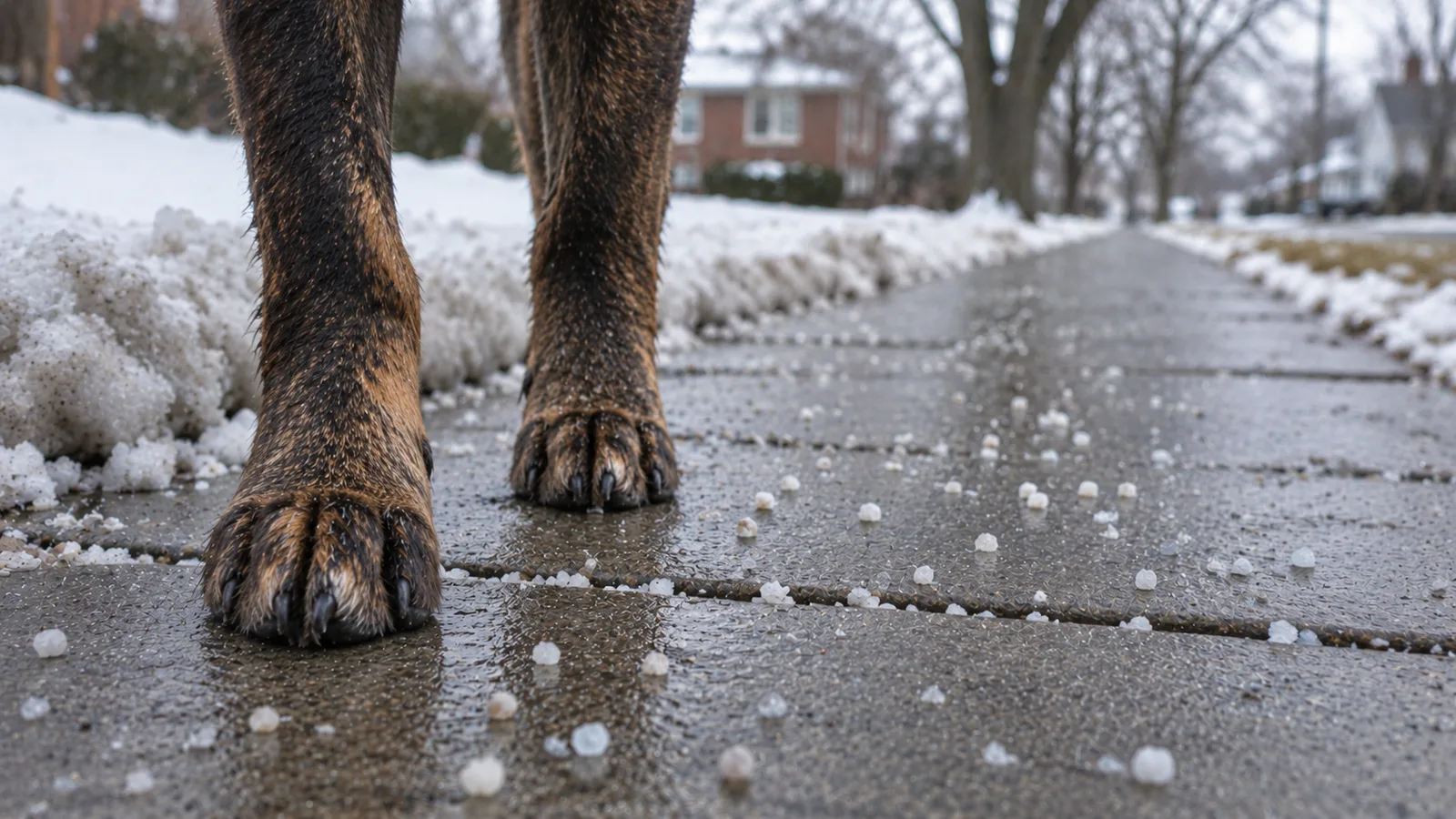
Bad, because Denver's activity level falls off a cliff right about now. The average window for measurable snow opens around October 17. Walks shorten, the dog park visit gets skipped, and the amount of exercise drops without anyone deciding to cut it. If you switch foods in the same two weeks that your dog's routine changes and the weather turns, you've got three variables moving and no way to tell which one caused what.
Pick a settled stretch. Start on a weekend when you're home, so the first 72 hours happen where you can see them.
One more local note. Denver sits in a semi-arid climate at 5,280 feet, and the metro area averages around 52 percent relative humidity across the year. Dogs here run drier than dogs at sea level, which means any loose stool costs them more fluid than it would elsewhere. Keep the water bowl full and topped up through the whole transition, and pay attention to whether they're actually drinking.
Common questions
How long does switching dog food take?
Ten days for most dogs. Fourteen or more for sensitive stomachs, puppies, seniors, or any switch involving a big jump in fat content. There's no benefit to rushing it.
Can I just switch cold turkey if the foods are similar?
You can, and plenty of dogs are fine. You just won't know which dogs until afterward. The ten-day version costs you nothing except a little planning.
What if my dog picks out the new food and leaves the old, or the reverse?
Mix more thoroughly, and warm the meal slightly if you're moving to a fresh food, which brings up the smell. If your dog is refusing the new food outright after several days, that's information worth taking seriously rather than overriding.
Do I need to transition between two flavors of the same brand?
Usually a shorter version is enough, three or four days, because the base formula and fat content are close. Our chicken and lamb recipes both run 27 percent minimum protein and 12 percent minimum fat, so moving between them is a smaller change than switching brands. Sensitive dogs still get the full schedule.
My dog's stool got softer on day 5 and then firmed up. Should I have stopped?
No. A brief softening at the halfway mark is common and self-correcting. Hold the ratio an extra day if you want reassurance before stepping up.
Will switching foods fix my dog's itching or loose stool?
Sometimes, and it's a reasonable thing to try under guidance. It's also not a diagnosis. Chronic skin or digestive problems deserve a vet's look before you start cycling through foods, because a real food allergy needs a structured elimination trial to identify and a lot of random switching just muddies the picture.
Small batches make slow switches easier
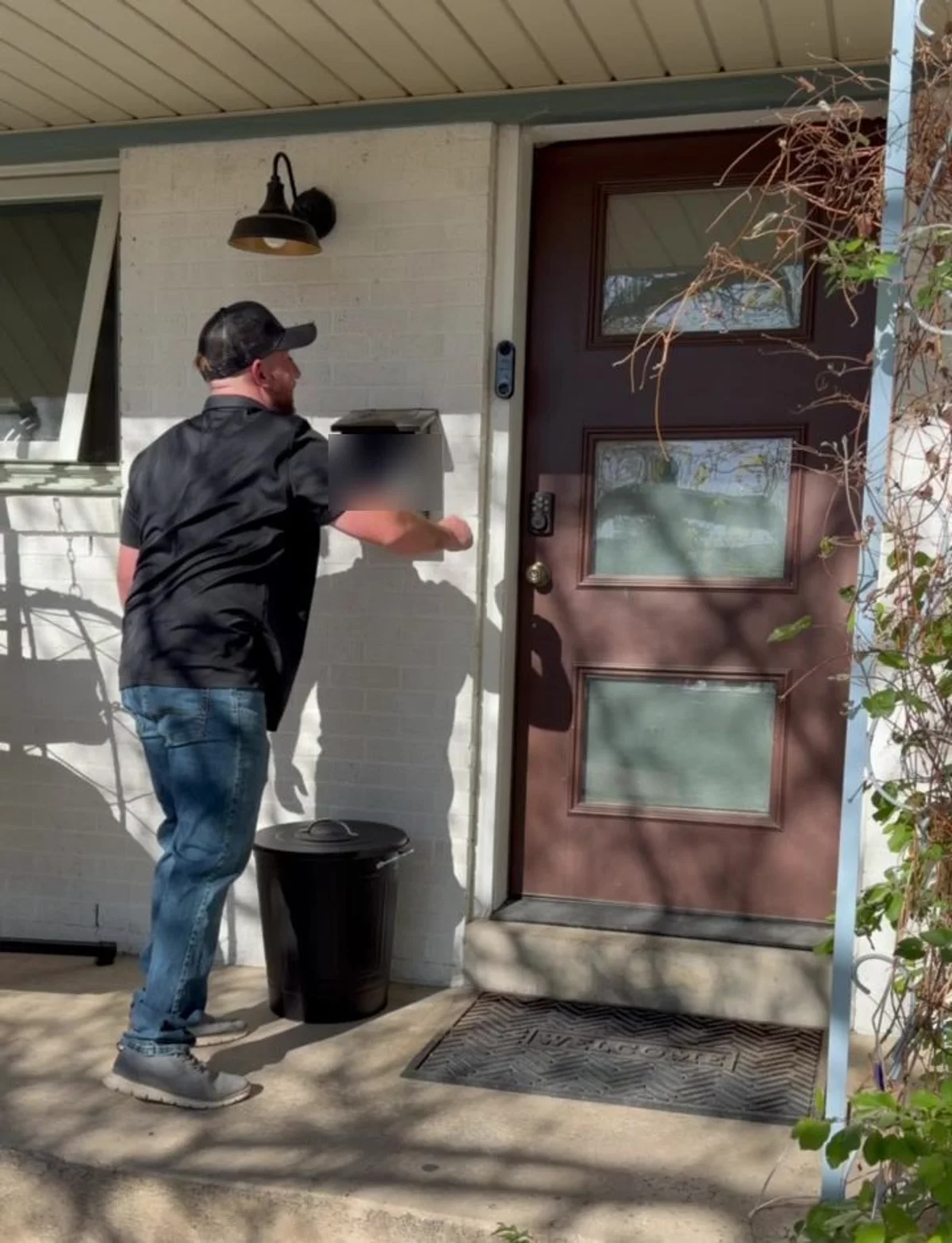
The ten-day schedule has one annoying feature: for most of it, you need both foods on hand, and you're buying a full bag of something before you know whether your dog does well on it.
Buying by the pound removes that. Pick up two or three pounds, run the first half of the transition, and see how it goes before you commit to a month's supply. The Goobr Station at Belleview Station Dog Park, 4822 South Newport Street, is open 24 hours a day and fills any clean, food-safe container you bring at $2.99 per pound. Take exactly as much as the next step needs.
When you're ready to run it as a standing order, subscriptions start at $30 a month and we deliver across Denver, Adams, Arapahoe, Broomfield, Douglas, and Jefferson counties. Cancel whenever, no contract.
If your dog has a history of reacting to switches, call or text Tage at (720) 978-9174 before you start. He's been in the pet industry since 2017, and he'd rather talk through the schedule with you than sell you food your dog can't settle on.
Keep reading